7 things that are excluded from Medicare coverage
7 things that are excluded from Medicare coverage
For individuals aged 65 and above and for those living with certain debilitative health conditions, Medicare is the ultimate lifesaver for health-related expense coverage. While Medicare Parts A, B, or Medicare Advantage cover several expenses, there are certain elements that fall out of their scope. Therefore, if seniors spend their money on the healthcare operations mentioned below, they will need alternative providers to cover them. Here are some things Medicare does not include in the plans: Hearing aids Original Medicare, the first half of the federal healthcare scheme, does not cover hearing exams or hearing aids. While Medicare Advantage, the other half, generally offers partial coverage for the same, buying additional insurance from a private provider is beneficial to offset the complete costs of a hearing examination, treatment, or the purchase of hearing aids from one’s local dispensary. This applies even to treating auditory issues such as tinnitus, a disorder in which individuals feel a constant ringing sensation in their ears, which is not covered by either Original Medicare or Medicare Advantage. Overseas healthcare A common and truly wallet-shattering mistake that people with Medicare coverage make is assuming that their card covers the healthcare costs incurred in foreign lands. Here’s the key fact:

Top 10 benefits of dental implants for seniors

Top 10 benefits of dental implants for seniors
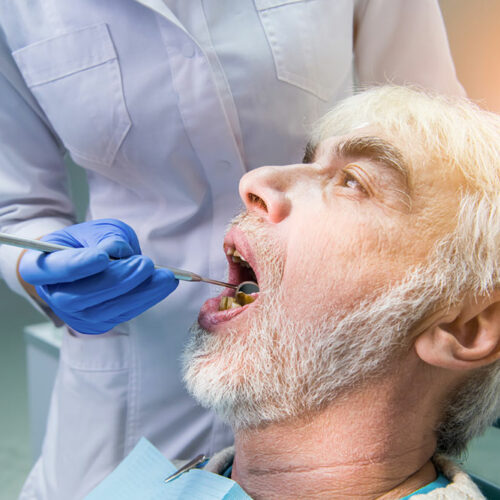
Dental issues can be particularly troublesome for seniors, affecting their overall well-being and quality of life. Dental implants, often hailed as the gold standard in tooth replacement, offer numerous benefits to seniors seeking to regain their smile, confidence, and oral function. Keep reading this article to learn about the benefits of dental implants for seniors and why they are a transformative solution for a happier and healthier life in the golden years. 10 benefits of dental implants for seniors Improved quality of life Dental implants can significantly enhance the quality of life for seniors. Missing teeth can lead to difficulty chewing, speaking, and enjoying favorite foods. As seniors age, malnutrition becomes a concern due to limited food choices and reduced ability to chew properly. In such cases, dental implants restore full oral function, allowing seniors to savor their favorite meals without restrictions. This improvement in nutrition can positively impact overall health, energy levels, and longevity. Enhanced self-esteem and confidence A confident smile can work wonders for self-esteem and mental well-being. Seniors with missing teeth may feel conscious about their appearance, which can lead to social withdrawal and reduced self-confidence. Here, dental implants offer a natural-looking and permanent solution to help seniors regain their smiles and feel more comfortable in social situations.

Understanding blood clots – Signs and foods to eat

Understanding blood clots – Signs and foods to eat
Blood clots, or thrombi, quietly pose a significant risk to human health. While the body’s coagulation system serves as a vital guardian against excessive bleeding, any disruption in its balance can tip the scales toward the formation of these potentially life-altering blood clots. This article discusses blood clots, exploring the signs and symptoms that should never be overlooked while also shedding light on the role of nutrition in preventing their formation. Recognizing the signs of blood clots Blood clots can manifest in various ways, and identifying their signs is crucial for timely intervention. Here are some symptoms that may indicate the presence of blood clots: Localized pain Pain in the area where a clot has formed is a common symptom. It can range from mild to severe, and it often intensifies when pressure is applied. Skin discoloration Blood clots can cause the skin over the affected area to turn pale or bluish. This discoloration is a result of reduced blood flow to the region. Vein inflammation In cases of deep vein thrombosis (DVT), where clots form in deep veins, affected limbs may become swollen, red, and warm to the touch. The swelling is often accompanied by a sense of heaviness in the limb.

16 foods to avoid on a cruise trip

16 foods to avoid on a cruise trip
Embarking on a cruise trip with friends and family is exciting. One can explore the open waters, enjoy breathtaking views, participate in fun activities, and visit new destinations. Sailors also get to indulge in a diverse range of cuisines, which becomes an integral part of the journey. However, individuals must be careful about what they eat onboard to avoid falling sick. Here are 16 foods that are best avoided during the trip. Uncooked eggs Raw or undercooked eggs may contain Salmonella, an infection-causing bacteria. Therefore, passengers should be cautious and only reach for dishes with cooked eggs or suitable alternatives. This ensures one can safely enjoy the food without putting their health at risk. Raw seafood Raw seafood, such as oysters, ceviche, and sushi, can harbor harmful bacteria and parasites. Eating them increases the risk of foodborne illnesses, including norovirus and vibriosis. Opting for cooked seafood varieties, such as grilled fish or steamed shellfish, allows cruisers to enjoy maritime flavors without compromising safety. Buffet perishables Perishable items at buffets, mainly those containing mayonnaise, are susceptible to bacterial growth if not stored at proper temperatures. Eating them can lead to food poisoning and gastrointestinal discomfort. Choosing freshly prepared items or those continuously monitored and refreshed by staff reduces the risk of contamination.

Avoid these 9 mistakes for a healthy bladder

Avoid these 9 mistakes for a healthy bladder
A healthy bladder is crucial for one’s overall well-being. As a critical part of the urinary system, the bladder works coordinately with the kidneys to eliminate waste and toxic substances from the bloodstream. Therefore, keeping this vital organ healthy is essential. From low physical activity to dehydration, there are several factors that can compromise the function of the bladder. So, paying attention to the overactive bladder and avoiding common mistakes is essential. Significance of a healthy bladder The bladder is a muscular sac-like and expandable organ that stores urine. When the bladder is in optimal condition, it performs complex coordination of musculoskeletal, psychological, and neurologic functions. Apart from removing wastes, a healthy bladder has various responsibilities, such as, Maintaining stable electrolyte levels, including phosphate and sodium Preventing toxins and excess fluid from accumulating in the body. Producing specific hormones that aid in blood pressure regulation. Enhancing the production of red blood cells and the strong development of bones Common mistakes to avoid to maintain a healthy bladder Most young individuals fail to maintain bladder health. And as one grows older, the elastic bladder tissue toughens and becomes less stretchy, causing the bladder to hold enough urine. This can further make one more susceptible to various bladder-related conditions such as overactive bladder, urinary tract infection, and bladder cancer.

9 Foods to Avoid When Managing Atrial Fibrillation

9 Foods to Avoid When Managing Atrial Fibrillation
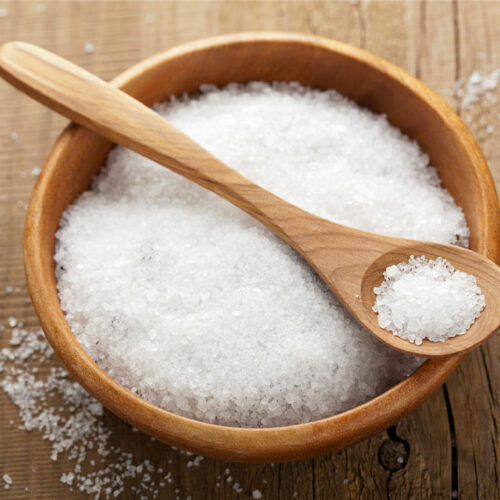
Atrial fibrillation (AFib) is a health disorder that causes a person’s heartbeats to become irregular. This happens because the regular rhythmic pumping of the atria or the upper chambers of the heart is disrupted. As a result, the heart’s function becomes less efficient. Although there is no permanent cure, treatments and lifestyle changes, such as the food one eats and avoids, can help. Here is a list of foods to avoid with atrial fibrillation and what to eat instead. Foods to avoid with atrial fibrillation High amounts of salt in foods Salt is an essential condiment for all meal preps since it enhances flavors. However, it should be had in moderation as too much salt increases the sodium level in the blood. This alleviates blood pressure and causes hypertension. As a result of this, the symptoms of AFib are triggered. Energy drinks One of the major ingredients of energy drinks is caffeine. In addition, these drinks contain an elevated amount of sugar or sugar substitutes. Over the long term, this combination is not only bad for overall health but also for AFib’s condition. While caffeine, as it is, has not been found to be bad for AFib symptoms, it drastically changes the heart’s rhythms when it is mixed with the other ingredients in energy drinks.

Our
Blog.

Managing kidney health – Best and worst foods

Managing kidney health – Best and worst foods

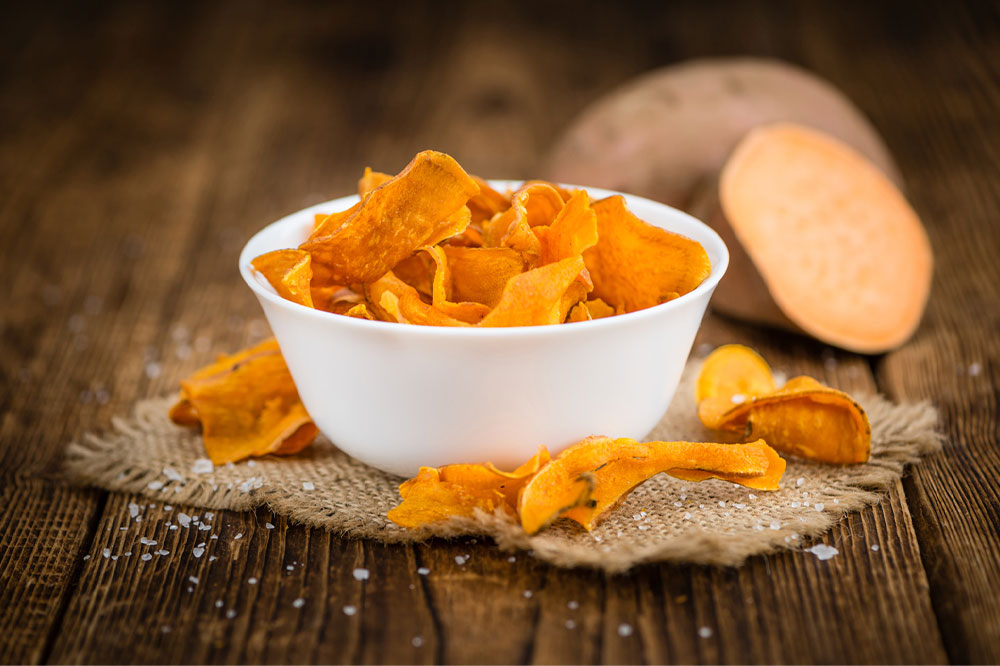
The kidneys are bean-shaped organs that are responsible for important bodily functions, like producing hormones, removing waste through urine, filtering blood, balancing minerals, and maintaining fluid balance. But, according to the American Kidney Fund, more than 1 in 7 adults in the country are affected by chronic kidney diseases. So, it is important to maintain kidney health by making better lifestyle choices and opting for foods that support kidney health. Food and kidney health The kidneys have multiple tiny blood vessels that help filter and eliminate excess water and waste from the body. If one is affected by chronic kidney diseases, the kidneys cannot filter blood, leading to the accumulation of waste in the body. Hypertension and diabetes are some of the leading causes of kidney disease. So, a healthy food plan can help prevent and manage these conditions by removing excess sodium, phosphorus, or potassium. Additionally, some foods should be limited or avoided to prevent further kidney damage. Best foods for kidney health Sweet potatoes: Sweet potatoes are similar to white potatoes but have excess fiber, which the body can take longer to break down, resulting in less of a spike in insulin levels in the body. Additionally, sweet potatoes contain various nutrients and minerals that may help balance the sodium and reduce its effect on the kidneys.
Read More
11 useful tips for anxiety management

11 useful tips for anxiety management

Nearly 84% of participants in a particular mental health survey were said to have some form of anxiety. The severity of symptoms did vary from person to person, but the fact remains that we live in a world where almost everything is a potential trigger for anxiety. And living in denial about having a psychological trigger only worsens the problem. Luckily, it is possible to manage anxiety by following the suggestions recommended by experts. Identify the triggers Anxiety is mainly triggered due to an event or episode where one finds themselves in a difficult position. It could be something that puts a person out of their comfort zone. Doctors advise people to identify these triggers and avoid them. Any comment, action, or situation that did not work out in favor triggers anxiety. So, make a list of such events and instances and ignore them the next time something happens related to that event. At the same time, try to remain positive as it can help strengthen the mind to manage anxiety better. Keep busy Distraction is one of the simplest ways to prevent a panic or anxiety attack. You can perform simple chores or indulge in a favorite task to stay physically and mentally occupied for a few hours.
Read More