7 natural remedies to manage menopause

7 natural remedies to manage menopause
Menopause is a significant transition in an individual’s life, accompanied by a range of physical and emotional changes. It can be a challenging period, with several symptoms starting off at once. People going through this change in life should speak to their doctor about possible management options. This is also an opportunity for women to explore natural approaches to managing symptoms. By incorporating these easy remedies, one can empower themselves to navigate this change. 1. Increase protein intake During menopause, hormonal changes can affect muscle mass and metabolism. This can change the person’s body mass by decreasing muscle tone. Incorporating adequate protein into meals is crucial for supporting muscle health, metabolism, and overall well-being. People going through this transitional phase must incorporate protein-rich foods into their meals. It includes lean meats, poultry, fish, eggs, legumes, tofu, tempeh, and Greek yogurt. They provide essential amino acids for muscle repair, maintenance, and growth. Ensuring adequate protein intake can support optimal brain health and emotional well-being during this hormonal transition. 2. Eat calcium- and vitamin D-rich foods Bone health becomes increasingly important during menopause. With the individual’s estrogen levels declining, it is important to know the risk of bone loss. It can also accelerate the risk of osteoporosis and fractures.

7 things dental insurance does not cover

7 things dental insurance does not cover
A health insurance plan helps people save on treatment expenses and avoid financial hardships. However, many health insurance providers exclude dental care from their coverage, making it necessary to buy a separate policy to meet these expenses. But, again, even dental insurance packages do not cover everything, so one must read the terms and conditions before signing up. Here are a few things dental insurance plans usually do not cover. Cosmetic treatments Most dental insurance policies do not cover dental treatments that are administered only to enhance a person’s appearance. Examples of such treatments include teeth whitening procedures, veneers, gum contouring operations, and tooth shaping operations. These procedures aim to improve the overall look of the teeth and are not necessary for maintaining one’s health. Dental insurance providers cover the cost of only those treatments that help control symptoms like oral pain or other serious health conditions. Any expenses linked to cosmetic treatments will likely not be covered, so individuals should speak to their provider before signing up for the procedure. Cost of braces Orthodontic devices like braces are used to straighten one’s teeth and thus improve appearance or facial expression. Like cosmetic treatments, they are not considered necessary. As a result, most dental insurance plans do not cover the cost of purchasing or fitting orthodontic devices.

9 Foods to Avoid for Healthy Lungs

9 Foods to Avoid for Healthy Lungs
A well-balanced meal keeps your body and mind healthy, giving you the energy to thrive throughout the day. Certain foods can help build resistance against the hazardous effects of pollutants and detox your lungs. Similar to the healthy options, there are certain foods to omit for healthy lungs and support their function. Read on to discover the significance of foods in lung health and the worst foods to avoid. How do certain foods impact the lungs? Food plays a vital role in the management of lung health and diseases. Metabolism is the process of converting food to energy inside the body. Oxygen plays a vital role in the metabolic reactions to burn the nutrients molecules through food. When the metabolism breaks down fiber, sugars, fats, and protein, energy will be your final product, and carbon dioxide will be exhaled as waste products. When you have the right nutrients in your meal plan, it will allow you to maintain the health of the lungs and help you breathe better. On the other hand, certain food options can worsen the function and irritate the airway. Foods to avoid to maintain healthy lungs Even though some foods are super nutritious, they can adversely affect lung health.

12 household items that may cause lung irritation and COPD

12 household items that may cause lung irritation and COPD
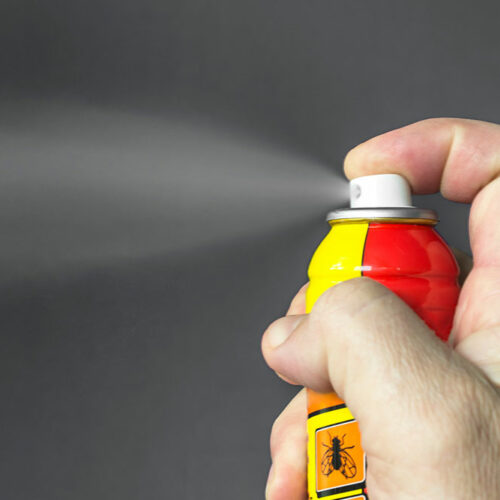
While keeping the indoor space clean and sanitized is good for one’s overall health and hygiene, certain products used to maintain cleanliness might damage health. Moreover, one may have several household items that may seem harmless. But, most of these products can potentially increase the risk of lung-related health conditions, such as chronic obstructive pulmonary disease (COPD). Here are some commonly used household items that may harm the lungs and cause COPD. Bleach Commonly found in many households, bleach works as an effective disinfectant. It is often combined with other solutions to clean and sanitize different surfaces. However, bleach has high amounts of chlorine, and when mixed with other chemicals, chlorine gas is released into the surrounding air. If the space is not well-ventilated, one may end up inhaling the chlorine gas. If this happens on a regular basis, it may lead to permanent lung conditions such as shortness of breath and COPD. Aerosol sprays With multipurpose uses, aerosol sprays are quite convenient. From makeup products to air fresheners and foaming agents to deodorants, aerosol sprays are among common household products. However, the convenience of using them comes at the cost of lung damage. While infrequent use in well-ventilated spaces may not lead to much harm, the chemicals and fine particles released into the air can cause lung irritation after prolonged exposure.

9 questions to ask the doctor during a routine check-up

9 questions to ask the doctor during a routine check-up
Routine checkups are an extremely important aspect of healthcare. They help a doctor keep track of an individual’s health history. More importantly, they help doctors detect if an individual is at risk of any condition at a very early stage. During these routine checkups, it is also the responsibility of the individuals to ask some important questions about the report. These help one gain better awareness about one’s health. What do the numbers mean? Firstly, asking the doctor to explain the checkup results thoroughly is very important. The reports may contain certain technical terms that one may not be aware of. Consequently, one may also not understand what the numbers beside those terms mean – do they indicate the results are good or not? Rather than trying to decipher this information by themselves, it is better for individuals to directly ask the doctor to explain it to them. Are there any health risks related to age or family history? Several health issues can arise due to biological factors such as age, gender, and even family history. So, during their next checkup, one must ask their doctor if they are at risk of any such conditions or illnesses due to these factors.

6 signs of child neglect

6 signs of child neglect
Child neglect is a form of maltreatment where a child’s basic needs, such as food, shelter, clothing, health care, and emotional support, are not met. This can develop due to various reasons, including inadequate resources and tools required for caregiving. While neglect is a complex issue, it can be identified through a few issues concerning the child’s behavior, health, and appearance. Recognizing these signs can help vulnerable children get the necessary protection and care. Lack of hygiene One of the most common signs of child neglect is inadequate personal care, manifesting as untidiness and poor hygiene, which could also affect the child’s health. Additionally, the signs of neglectful care can be seen in the type of clothes the child wears. For instance, the clothes may be unkempt, ill-fitting, or unsuitable for the weather. Another noticeable sign is persistently dirty clothes, which can increase the risk of skin infections, sores, rashes, scabies, ringworms, and flea bites. However, the signs of neglect in infants and toddlers may be different, manifesting as recurring diaper rashes. This occurs when the child is left in dirty diapers for long periods. Behavioral changes Changes in a child’s behavior can be a sign of neglect. For instance, the child may become clingy and extremely friendly with strangers.

Our
Blog.

Managing kidney health – Best and worst foods

Managing kidney health – Best and worst foods

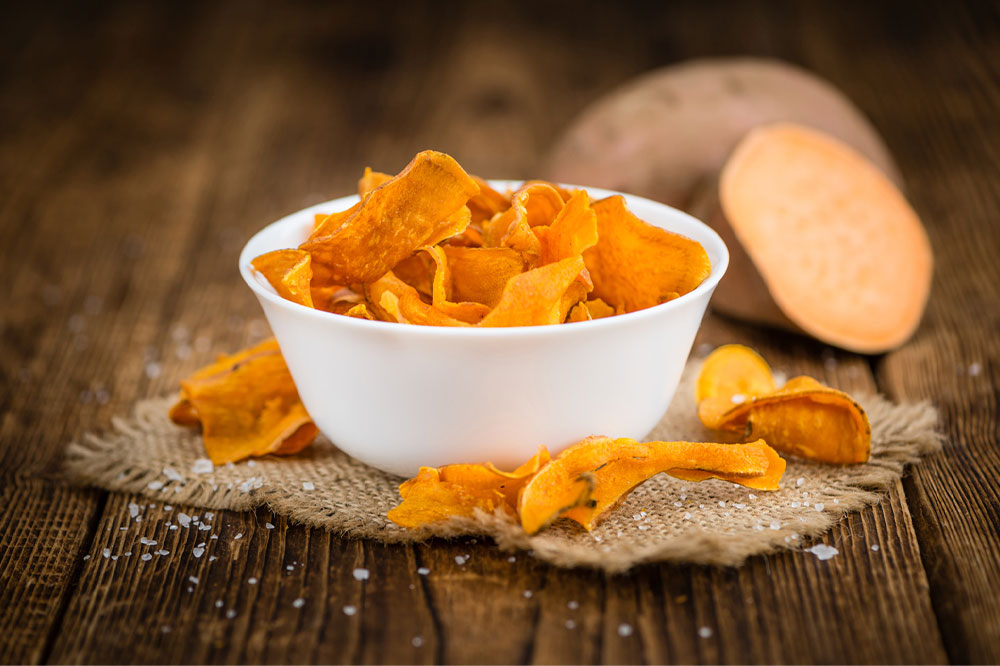
The kidneys are bean-shaped organs that are responsible for important bodily functions, like producing hormones, removing waste through urine, filtering blood, balancing minerals, and maintaining fluid balance. But, according to the American Kidney Fund, more than 1 in 7 adults in the country are affected by chronic kidney diseases. So, it is important to maintain kidney health by making better lifestyle choices and opting for foods that support kidney health. Food and kidney health The kidneys have multiple tiny blood vessels that help filter and eliminate excess water and waste from the body. If one is affected by chronic kidney diseases, the kidneys cannot filter blood, leading to the accumulation of waste in the body. Hypertension and diabetes are some of the leading causes of kidney disease. So, a healthy food plan can help prevent and manage these conditions by removing excess sodium, phosphorus, or potassium. Additionally, some foods should be limited or avoided to prevent further kidney damage. Best foods for kidney health Sweet potatoes: Sweet potatoes are similar to white potatoes but have excess fiber, which the body can take longer to break down, resulting in less of a spike in insulin levels in the body. Additionally, sweet potatoes contain various nutrients and minerals that may help balance the sodium and reduce its effect on the kidneys.
Read More
11 useful tips for anxiety management

11 useful tips for anxiety management

Nearly 84% of participants in a particular mental health survey were said to have some form of anxiety. The severity of symptoms did vary from person to person, but the fact remains that we live in a world where almost everything is a potential trigger for anxiety. And living in denial about having a psychological trigger only worsens the problem. Luckily, it is possible to manage anxiety by following the suggestions recommended by experts. Identify the triggers Anxiety is mainly triggered due to an event or episode where one finds themselves in a difficult position. It could be something that puts a person out of their comfort zone. Doctors advise people to identify these triggers and avoid them. Any comment, action, or situation that did not work out in favor triggers anxiety. So, make a list of such events and instances and ignore them the next time something happens related to that event. At the same time, try to remain positive as it can help strengthen the mind to manage anxiety better. Keep busy Distraction is one of the simplest ways to prevent a panic or anxiety attack. You can perform simple chores or indulge in a favorite task to stay physically and mentally occupied for a few hours.
Read More